In this blog, Kevin Cook shares his insights on tightening car availability, the technology changing fleet management, how regulatory issues and tariffs are affecting decision-making and what shippers should be planning for.
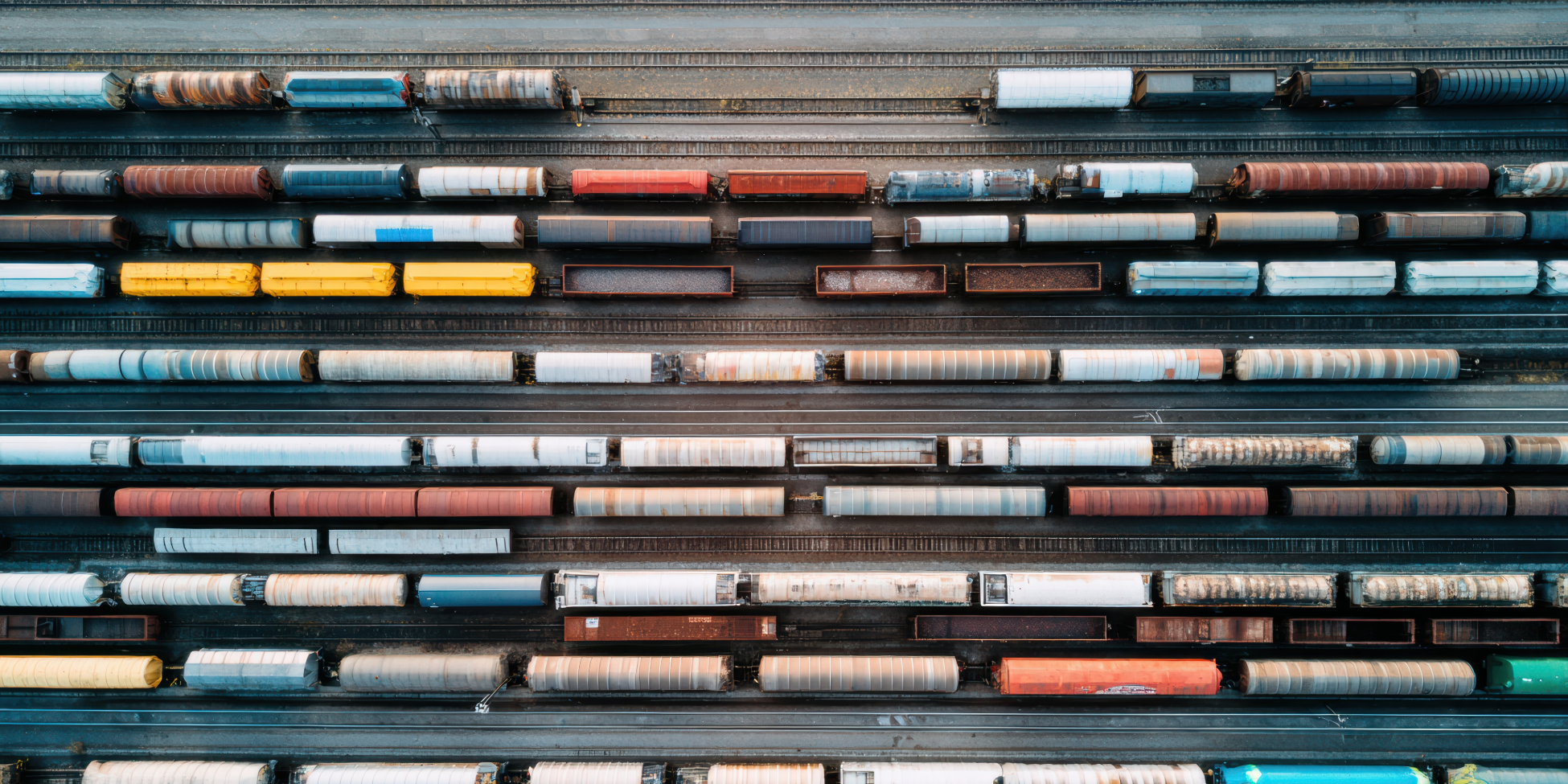
So from a customer perspective, there are two big concerns that customers should have. One is the limited car availability as well as the tight production capacity. Depressed new car builds, combined with the retirements and increased carloads, is going to put pressure on access to railcars.
If you’re looking from a lessor’s perspective, there’s going to be continued consolidation, which is going to continue to happen in the leasing business, as lessors continue to try to grow in a low carload growth market. So it’s going to be very important for shippers to have a diversified supply chain for railcars also.
Third, the evolution of technology is only in the early stages, but AI as well as predictive modeling is going to be game-changing to improve not only safety but also reduce costs.

So at MRC, technology’s beginning to play a greater role in our everyday fleet management activities. We’re currently testing and implementing the RailPulse technology with customers, which monitors our assets for both location as well as car condition. The technology is still developing, but this is an area we believe will have a significant impact on fleet management and maintenance, improving both of those areas.
Another area that we’re exploring is the use of AI tools to assist in analyzing fleet performance and maintenance expenses, to improve fleet management and help reduce customer costs.

The current market has a lot of capital right now looking for a home in rail assets, which makes it a very competitive market for new railcars and secondary market railcars.
The key to managing that fleet growth in this kind of market is to maintain our investment discipline. We’re very selective about the assets that we will invest in, and we have very defined parameters for our investment considerations, which are not just limited to investment returns. We also spend a lot of time understanding the commodity cycles that drive railcar demand, and continuously work with our customers to understand their short- and long-term fleet needs.
Finally, we also maintain a very diversified portfolio to reduce our exposure to cyclicality within different fleet segments of the market. The real key is to be willing to walk away from deals that don’t meet our investment criteria, and we’ve done that many times.
So there are a lot of regulatory issues out there right now. One that we’re following is the changing of the FAST Act deadlines, which require conversion of flammable liquids tank cars from DOT-111 cars to DOT-117 tank cars. The current deadline is May of 2029 for all flammable services to be converted.
But the new Surface Transportation Reauthorization bill, which is called the Build America 250 Act, is proposing a deadline that is accelerated by six months to December of 2028, so that can definitely impact customers’ needs for railcars.
Another issue that we’re looking at is the current FRA discussions on extending railcar regulatory life beyond 50 years, and we really want to try to understand what the potential impacts might have on car demand, as well as maintenance risks for a longer life.
A third one is the Federal Railway Administration’s adoption of DCS (Design Certified Engineers). They’re writing new regulations that will allow these design certified engineers to be authorized to review and approve tank car designs outside of the current AAR approval process. This will really free up more people to do those reviews, as well as accelerate the pace of those approvals.
Then finally, there’s the potential impact of NTSB recommendations that are out there. We’re looking to eliminate DOT-111 cars, not just in flammable services but hazmat services. No action has been taken at this time on those recommendations, but this could have a significant impact on the industry if DOT-111s are required to be replaced with DOT-117s for hazmat services.

Yeah, tariffs are having a big impact on our business. First, the uncertainty around tariffs is delaying decision-making on capital and new car investments by our customers. Second, tariffs have increased costs for railcars and railcar components. And significant uncertainty remains on how significant these cost increases might become in the future, particularly in light of the recent Section 232 inclusion requests for tank cars out of Mexico.
Finally, contract negotiations are starting to take significantly longer as companies are navigating through contract language over potential tariff costs for new car originations.

I think the really important things are: one, diversify your customer base, right. Consolidations among the lessors are going to continue as we go forward.
Second, don’t plan for excess capacity to always be available if rail service declines.
Third, carefully consider both rates and terms in your new leases and renewals, as we expect rates to continue to increase as new car production continues to be below replacement levels.
And then finally, expect that new car deliveries are going to take longer, especially if demand ramps up, as it’s going to take time for the OEMs to increase capacity in the event of a significant uptick in car demand.

So I’m very bullish on the rail industry. I think rail remains more economical and environmentally friendly than trucks. Railroads are continuing to improve their service to take advantage of the high trucking costs driven by fuel and driver shortages and the threat of the potential UP–NS merger has really created new opportunities for the railroads to collaborate with each other and improve service and competition in the marketplace.
So overall, I see great things for the railroad industry in the future.